Picking the Best Products for Interlocking Driveway Paving Setup
A driveway takes misuse that a patio area never sees. Tires turn, hefty axles slip during parking, and frost heaves pull from below. When a surface area falls short, it hardly ever does so politely. Ruts telegram via thin materials, sides unwind where turns bite hardest, and spots make a mockery of bright color choices. Product option establishes the trajectory for everything that complies with in a Driveway Paving Setup, from just how the base is crafted to just how you keep the surface 10 years from currently. Interlacing pavers, selected well, offer you a system that can flex, drainpipe, and be repaired without dramatization. Chosen inadequately, they set you up for a cycle of spots and disappointment.
The goal is not to chase a solitary best product, but to match material properties to website conditions, climate, filling, and design intent. The ideal paver in a desert community may be the wrong option for a lakeside driveway that sees plow blades and deicing salts for four months every year. I have actually mounted or looked after hundreds of driveway and walkway projects, from modest suburban aprons to estate circles with intricate inlays. The jobs that last share something alike: the materials were selected with discipline, not simply on shade swatches.
How interlocking systems actually work
Interlocking paving is a system, not a slab. The pavers do not rely upon sticky or mortar. They remain on a steady, well rated aggregate base with a slim bed linen layer, and they transfer tons side to side via their side get in touches with. Great base preparation does the hefty lifting, yet the pavers must be thick and strong enough to connect the bedding sand and come through seasonal motion. Joints, full of sand or fine aggregate, help lock the surface as a system while still permitting mini movement.
Two information matter as high as the rock or concrete you choose. First, the base gradation and thickness about subgrade dirt kind and website traffic. Clay subgrades require thicker and more open-graded bases than cost-free draining pipes sandy dirts. Second, edge restriction. Even the best paver will certainly walk outward if its side is not recorded. Without restraint the most effective material ends up being the wrong material.
The primary product households, at a glance
Interlocking driveways rely upon among 4 key surface choices: concrete pavers, clay block pavers, natural stone systems, and, in details layouts, permeable interlocking variations of the same. Porcelain and rubber composites have particular niche usages, mostly for Pathway Paving Installation or outdoor patios, with restricted applicability where lorries drive. Each brings a various mix of compressive and flexural stamina, colorfastness, surface appearance, tolerance for deicing chemicals, and variation from system to unit.
It is alluring to determine with your eyes first. I start with lots, freeze-thaw account, and maintenance tolerance, after that slim by visual appeals. If you reverse that order you often paint on your own into a corner, because some lovely choices are unforgiving under vehicles.
Concrete pavers: the workhorse with range
Most Driveway Paving Setup tasks use concrete pavers completely factor. They are engineered for interlocking task, created to standards, and include adequate patterns and structures to suit nearly any kind of home.
Quality manufacturers publish compliance with ASTM C936 in North America or comparable requirements somewhere else. For driveways, go for pavers that are at the very least 80 millimeters thick. Thinner 60 millimeter units can deal with walkways however commonly stop working under turning tires, specifically where the bed linen layer is not perfect.
Concrete pavers bring several advantages. Their compressive toughness is high, and contemporary manufacturing delivers thick, reduced absorption systems that brush off freeze-thaw cycles when set up appropriately. The split-face, toppled, or smooth surfaces let you dial the texture. Smooth faces check out modern and tend to drop snow much more conveniently. Split or shot-textured faces offer much better wet traction and do a good job concealing small tire scuffs.
Color is where concrete pavers both shine and demand caution. Indispensable shade runs through the body or the surface layer. Premium lines use a high-density face combine with smaller sized accumulations, which boosts color hold and abrasion resistance right where tires touch. Spending plan pavers occasionally chalk or fade more, specifically completely sunlight. I encourage clients to look at a little display screen that has sat outdoors for at the very least a period, not just the display room board.
Deicing salts are the stress test. Excellent concrete pavers endure calcium chloride and magnesium chloride. Rock salt is harsher, particularly when integrated with inadequate drainage that allows salt water take in and refreeze. Sealers can aid, but I treat them as a maintenance choice, not a cure-all. If you prepare to seal, choose a breathable, passing through item after the very first year so the pavers have time to drop building and construction dampness and efflorescence.
On expenses, concrete pavers sit in the center of the range. Materials commonly land between modest and reasonably high, depending on the brand and surface. Set up price depends even more on base job and gain access to. I have actually had small suv driveways with conventional pavers can be found in less expensive than rural websites where we carried base up a hill.
For patterns, take into consideration exactly how wheel courses and turning spans intersect the format. Herringbone patterns, whether 45 or 90 levels, take care of automobile lots better than running bond due to the fact that they spread out forces throughout more joints. Bigger format slabs have actually become preferred, but anything larger than 12 by 12 inches can be dangerous on a driveway unless the manufacturer rates it for automobile usage. Larger devices tend to shake on bedding sand and are ruthless if there is also small settlement.
Clay brick pavers: withstanding shade and crisp character
Fired clay brick pavers really feel classic. Where concrete fades progressively, clay holds its color for decades because the tone is the fired body itself, not a pigment. The traditional 4 by 8 inch style assails herringbone wonderfully, and side soldier programs framework curves with limited joints. For historic homes or clients that value patina, clay is typically the very first choice.
The trick is to acquire pavers rated for extreme weather condition and automotive usage, typically conforming to ASTM C902 for bricks or an equivalent spec. Not every block is a paver. House bricks are larger, more porous, and unsuitable for driveways. True brick pavers are denser and checked for freeze-thaw with deicers.
Clay devices are thinner than lots of concrete pavers, generally around 57 millimeters, with some thicker variations readily available. Stamina comes from the product and the pattern. Stocked herringbone over a proper base, they take wheel lots well. The surface area can be wire-cut for appearance or smooth for a refined appearance. Wire-cut structures offer grasp in rainfall and are a lot more flexible if you in some cases swing a trailer tight.
Clay introduces a few installment considerations. Color runs vary between great deals because shooting is an all-natural procedure. Order additional and mix pallets to avoid banding. Mortared joints transform the system totally and are usually not recommended on flexible interlacing bases for driveways. Maintain it versatile with sanded joints. Efflorescence is feasible with any stonework, yet clay has a tendency to reveal it less plainly, and it typically washes away with weather or a moderate cleaner.
Maintenance is straightforward. Sweep, rinse, and re-sand joints as needed. Sealing is optional and mostly regarding deepening shade or easing stain cleaning. Oil drips are a fact on any kind of driveway. A passing through sealer aids on both clay and concrete, but early cleaning still matters most.
Natural rock: beauty with variability
Natural rock pavers, cut or split, raise a driveway. Granite setts, porphyry cubes, and thick lavas are standards for good reasons. They are very difficult, colorfast, and nearly unsusceptible to UV or deicing chemicals. The driveway before a little inn I repaved with granite setts fifteen years ago still looks ready for a postcard. We replaced just a few devices after a delivery truck with chains ate the apron one brutal winter.
Natural stone, nonetheless, demands regard for thickness and consistency. Thin adjusted slabs created for patio areas usually fall short under cars. For driveways I try to find 60 to 100 millimeters, depending upon the rock and system dimension. Smaller sized setts can be thinner because loads disperse even more evenly. Big style rectangle-shaped rock, also if it looks spectacular, becomes a bar under an automobile tire and threats splitting or shaking unless it is extremely thick.
Slip resistance depends upon surface. Thermal or flamed granite provides exceptional grip when wet. Refined surfaces are a non-starter for driveways. Sandstone increases warnings in freeze-thaw environments due to the fact that some varieties soak up water and can spall with time. Limestone varies commonly. Dense selections do fine, however lots of chalky sedimentary rocks abrade under turning tires. If you like the look of a particular stone, demand data for absorption and abrasion resistance, or request for a tiny test area to see exactly how it acts after a season.
Cost is commonly more than concrete or clay, and installment is a lot more exacting. Each device might differ a couple of millimeters in density, which suggests even more time invested changing the bed linen layer. It deserves the effort when the establishing calls for it. Rock ages gracefully, and repairs mix seamlessly because there is no batch shade to match.
Permeable interlocking pavers: function first, after that form
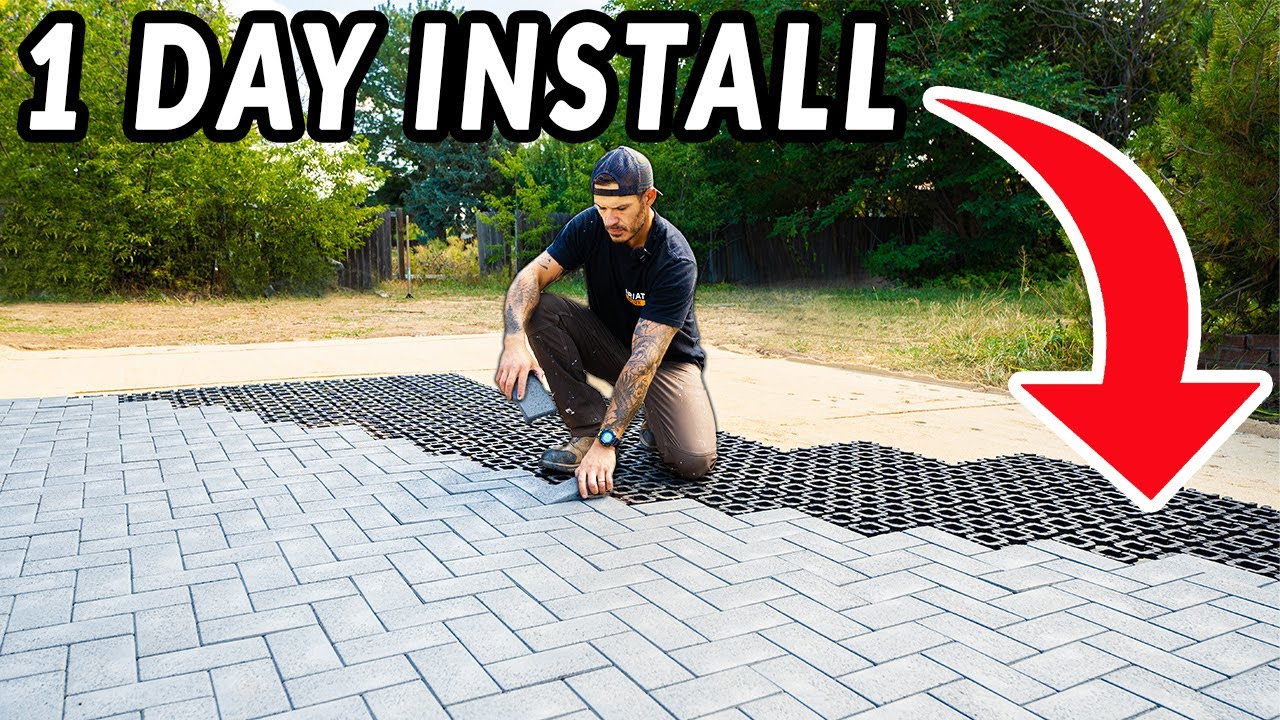
Permeable interlacing concrete pavers, commonly called PICP, resolve drain troubles elegantly. They utilize larger joints or engineered voids so stormwater moves with the surface area into an open rated accumulation base that serves as a storage tank. From there water infiltrates the subsoil or electrical outlets to a regulated discharge. In flood vulnerable locations or jurisdictions with stringent runoff regulations, this system avoids the demand for different drains.
For a driveway, the advantages exceed stormwater compliance. Melting snow has a place to go, so there is much less standing water and fewer freeze-thaw cycles at the surface. Tires additionally get less grit due to the fact that the joint aggregates are trapped. The pavers themselves look comparable to traditional systems, with several makers supplying matching lines so you can mix absorptive sections around reduced spots or whole driveways without visual compromise.
The tradeoffs are maintenance and base intricacy. The joints are full of tidy, angular rock, normally No. 8 accumulation, not sand. With time, fines from the setting and tire wear will certainly clear up right into those joints. Plan on regular vacuum sweeping to bring back seepage, especially if the driveway rests under trees. The base is not the same as a conventional thick graded base. It is an open graded stack of bigger stone, commonly No. 2 or No. 3 at the bottom with a choker layer over, sized to both bear automobile loads and shop water. If your subgrade is hefty clay with close to absolutely no infiltration, add an underdrain with a daylight electrical outlet or tie into a regulated system. Without that, the reservoir can hold water too long and soften the subgrade.
Porcelain, compounds, and where they fit
Porcelain pavers in 20 millimeter thickness are picking up speed for patio areas and pool decks. They stand up to stains, maintain color, and festinate in modern setups. For driveways, many 20 millimeter products are not ranked for vehicular loads on a versatile base. Some suppliers offer 30 millimeter versions or systems created to be complied with a concrete slab, which transforms the setting up from interlacing to rigid. If you are attracted to porcelain, utilize it confidently for Pathway Paving Installment that links into the driveway and pick a suitable concrete or clay paver on the automobile path. The contrast can be a possession if managed intentionally.
Recycled rubber or plastic composite pavers market well on sustainability qualifications, and some execute effectively on paths. I have actually not found one I rely on under routine vehicular transforming loads on a flexible base. If sustainability drives the task, take into consideration absorptive concrete pavers with high recycled web content aggregates, or all-natural rock sourced within an affordable distance.
Thickness, base, and the non-negotiables
No material can compensate for an underbuilt base. For traveler automobiles on a steady, well drained subgrade, I seldom go below 8 to 12 inches of compacted base aggregate under the bed linen layer. On clay or where vehicles go to, that can boost to 12 to 18 inches. If you opt for absorptive systems, the base thickness is regulated paver contractor Bay Area CA by stormwater storage space quantity, which can conveniently reach a foot or more depending upon layout storms.
The bedding layer for standard pavers should be a sharp, washed concrete sand meeting ASTM C33. Do not make use of stone dust or screenings. They hold water, migrate, and can pump under traffic. For absorptive pavers, make use of the defined open rated bedding accumulation. Maintain the bedding layer attire and slim, around 1 inch. Thicker bed linens hides errors in the base only till the very first hot week softens the sand and lets the pavers settle.
Edge restraint belongs in the META PAVING STONES pool deck pavers Bay Area budget plan from the first day. Concrete curbs or paver side restrictions secured right into the base keep the surface area tight. Plastic edging has its place on walkways or patios but has a hard time on driveways unless mounted carefully and backed with concrete. If we are pouring aprons or garage door aprons, I isolate concrete from the pavers with a little space and flexible joint material so different materials can proceed their own.
Traction, appearance, and winter season behavior
You cope with the surface under every condition, not simply when it is completely dry and clean. Smooth pavers look streamlined, however in wet environments I favor refined appearance. Wire-cut clay, flamed granites, and lightly distinctive concrete face blends all grasp shoes and tires without checking out harsh. In snow nation, plow blades and snow blowers fulfill the surface routinely. Rounded chamfers on paver edges make it through far better than razor sharp arrises. Narrow joints withstand capturing edges. Keep your jointing product somewhat below the chamfer to stay clear of drawing it out with the blade. I inform clients to establish rake shoes a notch high for the initial wintertime and to avoid bare steel on attractive inlays.
On deicers, suit chemistry to material. Calcium chloride pellets tend to be gentler. Magnesium chloride liquids are effective at lower temperatures yet can be untidy. Plant food based deicers stain and are hard to tidy. Never make use of sand on absorptive joints, or you will clog the system quickly.
Color, heat, and the look 5 years later
Dark pavers hide tire marks and oil leaks better, but they take in warmth. In bright environments, light to mid tones make a driveway extra comfy to walk on barefoot and minimize thermal biking at the surface area. There is no freebie. Lighter colors reveal grime quicker and may need more frequent rinsing. A border in a darker tone frames the area and masks edge wear nicely where a tire kisses the visual on limited turns.
Five years is an excellent test horizon. Request for local referrals and go look. Concrete pavers with face blends have a tendency to stand up well, but budget plan alternatives can shed their crisp surface as the concrete paste abrades and crude accumulation telegraphs through. Clay will look virtually the like day one, just dustier or cleaner depending upon your maintenance. Rock will boring a little bit, which generally makes it more attractive if you chose a thick variety.
Integrating driveway materials with walkways and entries
Driveways seldom stand alone. The best tasks consider exactly how the surface area meets the front stroll, side courses, and stoops. If you use one material for the driveway, you can change range or pattern on the Sidewalk Paving Installation to signal a modification being used. For example, a 90 degree herringbone driveway in concrete pavers can pave the way to a smaller running bond walkway utilizing the very same system, rotated and bordered in a different shade. Or couple a granite sett apron with a concrete paver field, after that carry the granite into the front action nosings for connection. Shifts matter structurally as well. Maintain surrounding surface areas at compatible elevations with deliberate bordering, so you do not produce slim bits that fall short under a tire.
Joints, sand, and the situation for polymeric options
Jointing material finishes the system. Standard driveways make use of clean, angular sand swept right into the joints, then compressed so it clears up deep. Polymeric sand consists of binders that solidify when activated with water. The benefit is decreased washout and weed development. The drawback is expense and the requirement to adhere to activation steps meticulously. Excessive water or application on a damp surface area leaves a hazy movie that is tough to remove. In high color or continuously moist areas, polymeric joints can struggle with mildew. I make use of polymeric on driveways that see strong water flow across the surface, at the end of inclines, or where sweeping sand repeatedly would be a nuisance.
For absorptive pavers, do not make use of polymeric products. You desire the joints to continue to be open and drain. Make use of the specified tidy rock gradation and maintain it.
Budget, timelines, and practical expectations
Good materials conserve money only when the remainder of the project respects them. If your spending plan is tight, spend on base job first, after that pick an easier paver. A thick, common concrete paver over an outstanding base will outlive a costs stone over a minimal base. If the site holds water after every storm, solution drain before you choose textures.
Lead times vary. Specialty rock and certain clay colors can take weeks to get here. Concrete pavers are normally quicker, but popular lines market out in peak season. Order early and overage your quantity. Changing a harmed or stained paver later is much easier if you have 2 to 5 percent additional from the original lot.
Common mistakes to avoid when selecting materials
- Picking a paver density meant for outdoor patios and anticipating it to handle turning tires.
- Selecting a huge style piece not rated for cars due to the fact that the display screen looked great.
- Ignoring salt and freeze-thaw compatibility in chilly regions.
- Mixing jointing products poorly, such as polymeric sand with absorptive pavers.
- Skimping on side restraint and viewing the best paver move exterior over time.
A fast, practical list before you commit
- Confirm the paver is ranked for automotive use and fulfills an acknowledged standard.
- Match density to website traffic and subgrade, with 80 millimeters as a reliable driveway baseline.
- Choose appearance for grip in rain and snow, not simply for display room appeal.
- Verify compatibility with local deicers and your maintenance plan.
- Coordinate driveway options with Sidewalk Paving Installment so shifts are purposeful and clean.
Climate driven recommendations
If you construct in a freeze-thaw area with active plowing, choose concrete pavers with dense face blends or clay pavers ranked for extreme weather condition, both in herringbone, and prepare for calcium chloride usage. Keep joints a little recessed and borders well controlled. Think about an absorptive version if you fight ice from meltwater pooling.
In warm, completely dry environments, shade discolor and heat buildup take spotlight. Opt for lighter tones, UV stable pigments, and textures that will not mess up under grit. Natural stone like porphyry or granite carries out remarkably, however concrete pavers with important coloring succeed at a friendlier price.
Coastal sites add salt air and occasionally soft subgrades. Clay holds color, rock pokes fun at salt, and concrete pavers with marine quality sealers can grow. Build bases thicker and ensure subdrains remain in place where the water level experiences high.
When to choose which material
Concrete pavers are my default suggestion for the majority of Driveway Paving Setup job since they balance efficiency, option, and cost. They let you solve architectural needs and still tailor the appearance. Clay block pavers are the choice for standard style, colorfastness, and tight, crisp detailing. All-natural stone is the premium course when layout demands it and the spending plan supports extra complex installment. Permeable versions of any one of these address water and ice with a system degree answer.
Your website's soil, drain, and web traffic should tighten the area quickly. A little cul de sac home with a gentle incline, sandy subgrade, and no snow shoveling can use practically anything ranked for vehicles. A steep, shaded driveway in a northern climate with clay dirt and constant delivery van needs thick units, an open graded base, hostile edge restraint, and grip friendly textures. You can still have attractive products, simply chosen with these realities in mind.
Maintenance and long-term care
Paver driveways invite maintenance that feels extra like stewardship than job. One or two times a year, rinse, scrub oil areas with a moderate degreaser, and cover up joints where traffic has actually loosened up sand. Every couple of years, draw and reset any devices that shook during freeze-thaw. That is the charm of interlacing systems. You are not staring at a spider split circulating through a monolithic slab. You are switching a handful of blocks on a Saturday morning.
Sealing is optional. For concrete and clay, a passing through sealant makes cleansing simpler and can grow shade. Avoid high build film formers that trap dampness and become slippery. Natural stone hardly ever needs sealant unless you want to darken it or live with frequent oil drips. Evaluate any type of sealant on leftovers from the very same batch before devoting to the whole driveway.
Permeable systems ask for routine vacuum brushing up to recover infiltration. The timetable depends upon tree cover and nearby soils. I have websites that go 5 years between cleansings and others, under losing oaks, that require focus every other period. Maintain a few bags of the joint aggregate available to top up after maintenance.
Final judgment calls that different excellent from great
Small information typically make a decision the long term tale. On bright sites, established the field paver tone one color lighter than you believe you want, because tires and dust will certainly dim it visibly. At garage doors, make use of a straight edged boundary so the line stays clean after 10 years of little movements. If you have a tight transforming location, set up the pavers on a 45 degree herringbone via that zone also if the remainder of the driveway is a different pattern. It is a refined insurance policy. For homes where the driveway is the initial sight, choose a material that additionally shows up at the entrance walk or stoop, also if only as a border, so the building reviews as one composition.
Material selection on an interlocking driveway is not just a buying workout. It is a series of technological and aesthetic choices that lock together, just like the pavers themselves. When base, density, appearance, and jointing fit the site, your driveway will certainly deal with periods, salt, and day-to-day use without grievance. Select with that said self-control, coordinate with the Pathway Paving Installation, and you provide yourself a surface area that strives and looks right for numerous years.
